Beyond Basic: How Designer Shingles Lift Your Curb Appeal to New Heights
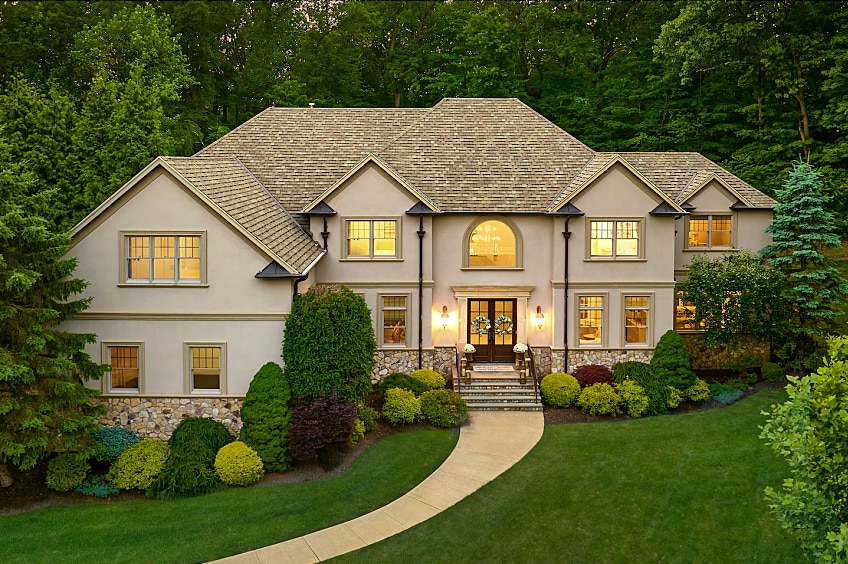
GAF Designer Shingles are for discerning homeowners who want to elevate their home by going beyond standard roofing options. These are luxury shingles that don't just protect your home—they also deliver a designer roof statement.
Cool Weather Roofing: Must-Know Tips for Installing Shingles in Cool Temperatures
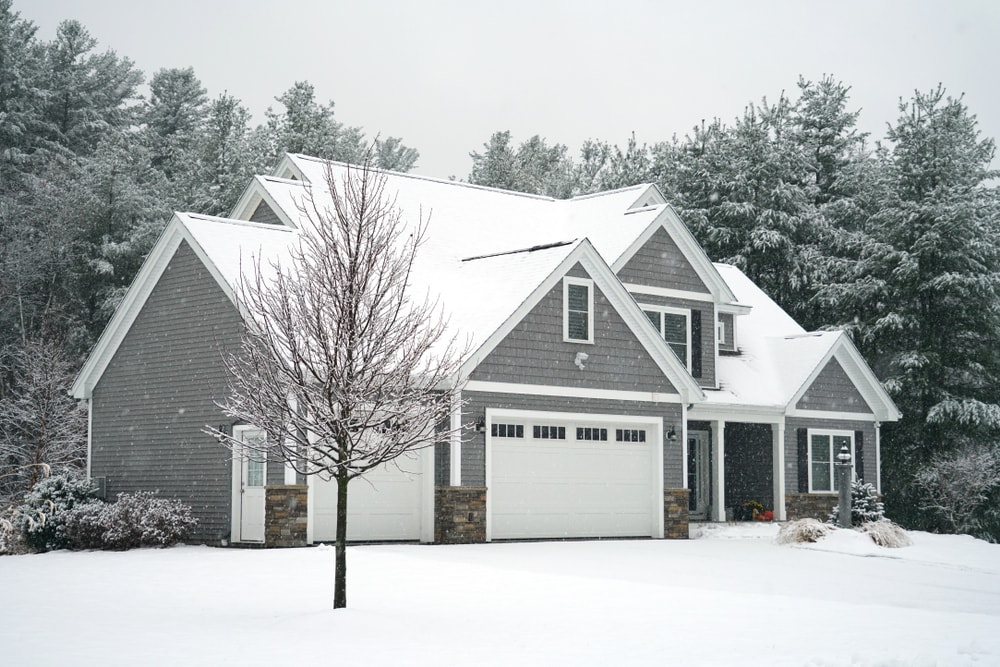
Winter doesn't bring an end to the roofing season. Cool weather roofing is often necessitated by emergency roof repairs, and new home builders may not want to wait until spring. When you're tasked with roofing in the winter, understanding the risks that come with installing shingles in cool weather and being prepared to overcome those challenges can help you achieve success with winter roof installations. Read on to learn best practices and expert tips to achieve a long-lasting GAF roof installation when roofing in cool weather.
A Look Inside the Roofing Labor Market: Roofing Salary Ranges, Roles, and Opportunities
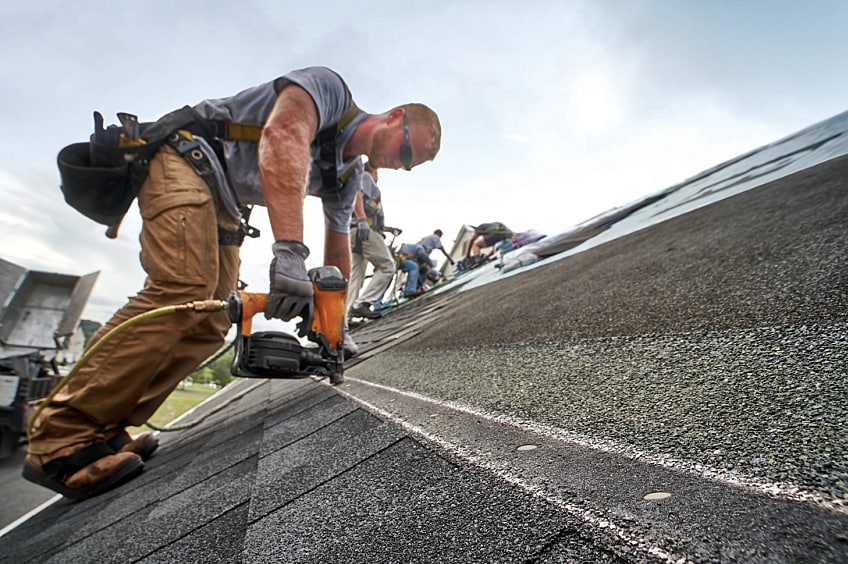
When asked what they want to be when they grow up, most children don't say "a roofer!" But as student loan debt rises and the demand for skilled trades hits an all-time high, that perception is changing. The next generation realizes that a roofing salary can provide a long-term career with solid pay and benefits, along with a clear path to grow and advance.
Understanding the Layers of a Single-Ply Roofing Assembly
Single-ply roof membranes are a common choice for commercial low-slope roofing projects due to its durability, reflectivity, and ease of installation. The membrane is the top of a multi-layer assembly designed to help protect the building from the exterior elements. The layers of a roof assembly must all work together with two main goals: help keep the interior separate from the exterior (i.e. block the movement of water, air and heat between inside and out) and stay in place through expected weather conditions.
The Cohome Project: Inclusive Housing for Adults with Disabilities
Inspired by his brother Jeremy, who has Down syndrome, Nathaniel Diskint formed Cohome, a nonprofit based in Morristown, New Jersey, to create a home where Jeremy could live independently among adults with all abilities. Nate's vision was to create a place where adults with disabilities or seeking finanical housing support could live together in a shared setting, with everyone contributing to create a sense of community.
Hurricanes are characterized by strong winds, which can cause significant uplift pressure on your roof. If your home isn't properly prepared, this amount of force can lift or even tear the roof right off your home. Hurricane straps are critical tools that help ensure your roof remains attached to your house in the event of a hurricane.
Freshly fallen snow brings a peaceful serenity to any landscape, but when the snow piles up, it can signal danger for your home's roof. How much snow can a roof handle? The answer depends on many factors, including the style and location of your home, the amount of snow your region receives on an annual basis, and whether you've stayed on top of preventive maintenance items before the snow arrives.
With the increasing frequency of severe convective storms, nearly two-thirds of the country is now susceptible to hailstorms. The damaging effects of wind and hail cause between $8–$15 billion in roof-related damage every year in the U.S. and account for almost half of all residential insurance claims.
Choosing the right attic ventilation system isn't just about cooling your attic—it's about safeguarding your home and family. Homeowners shouldn't have to worry about attic vents overheating or causing fire hazards due to product malfunctions or oversights. Attic fans should be designed to protect your home, not endanger it.
If you live in a cool climate that's prone to severe weather, such as high winds and hail, standard asphalt shingles may not perform as well as you'd like. Asphalt becomes brittle and stiff when temperatures drop, leaving your roof vulnerable to hail and wind damage.
For residential homes with low-slope roof areas, GAF LIBERTY™ has long been a trusted roofing solution. The SBS self-adhering roofing system, which includes LIBERTY™ Self-Adhering Cap Sheet, LIBERTY™ Self-Adhering Base/Ply Sheet along with LIBERTY ™ Asphalt Primer and LIBERTY™ Flashing Cement accessories, ideal for porches, garages, carports and sheds, now comes in two new, popular colors—Pewter Gray and Barkwood—and has earned its UL 2218A Class 4 impact resistance rating.
Darker roof colors are growing in popularity because of their timeless appeal, but some areas—like California—require the use of a reflective shingle that can meet strict energy efficiency requirements. Outside of California, more home and building owners are seeking energy-efficient solutions, but they don't want to settle for colors or styles that deliver a less-than-desired aesthetic for their home.
Wichita, Kansas, recently celebrated a housing win as Rhoden Roofing installed its 30th donated roof through the GAF Community Contractor Program. Rhoden Roofing's efforts are a powerful example of how partnering to leverage resources can change lives for the better—right in your own backyard.
Commercial roofs are a critical part of any building, protecting people, equipment, and property from the elements. But what is the lifespan of a commercial roof? While most commercial roofs generally last 20 to 30 years, lifespan varies widely depending on material type, climate, maintenance, drainage, and installation quality. With proper care and timely maintenance, a roof can often outlast its expected lifespan.
When comparing roof coating vs. commercial replacement, you might wonder: Can I refresh my roof, or do I need a full roof replacement? Roof coatings—often called liquid-applied roofing systems—are multi-component systems that can form a seamless membrane over an existing low-slope roof. Coatings can help extend the service life of commercial roofs that are still structurally sound without having to go through a full replacement.
As a commercial roofing professional, you're responsible for helping your customers find the best roofing systems for their needs, which means staying in the know about materials and methods. Torch down roofing is a roofing installation process that uses a handheld propane torch to heat up and install sheets of modified bitumen roofing material. As these sheets are laid out, the torch's heat bonds the material to the layer beneath, forming a tight seal that's hard for water to penetrate.
Welding safety for roofers should always be a top priority when welding is required on a roofing job. Adhering to welding safety guidelines every step of the way helps reduce the risk of fires, crew injuries, and potential building damage. Proper preparation, education, training, and access to the appropriate tools and gear are all key to helping you prioritize personal safety and project success. Here's what you should know about welding safety for roofers, from risk assessment to emergency response.
When designing your next low-slope roof assembly, there are a number of single-ply roofing attachment methods to consider. Whether you choose a TPO, PVC, or EPDM membrane, the attachment method you select will typically be influenced by the building type and location, the rest of the roof assembly, and the construction schedule and cost. The most common single-ply roofing attachment methods are mechanical, induction-welded, adhered, and ballasted. Depending on the unique circumstances of your project, it may also make sense to employ a hybrid approach, or a combination of methods. Let's explore the main features, as well as the pros and cons, of each.
Since the first shelters were constructed by humans, the primary purpose of roofing has been to protect against the elements, especially water on roofs from rain and snow. Modern building science has expanded this focus to include temperature regulation, moisture management, and air tightness, but managing liquid water on roofs remains one of the most critical factors in roof design.
Single-ply roof membranes are ubiquitous in the commercial roofing industry, comprising the majority of low-slope roof installations. Their popularity is driven by advantages such as ease of installation, cost-effectiveness, and durability, with some options also offering sustainability benefits.
For centuries, architects led the way in technological innovations that influenced how buildings were designed and constructed. However, in the latter two decades of the twentieth century, advances in computer science necessitated changes to the practice of architecture and the way 3D space was designed and visualized.
The roofing industry needs skilled workers. To both address the skilled labor shortage and support the troops at the same time, GAF Roofing Academy offers free training to military veterans, helping provide vets with meaningful careers after service.
As a company whose motto is, "We protect what matters most," GAF pays special tribute to those who protect us: our military. To thank them for their dedicated service to our nation and the many sacrifices they make throughout their careers, GAF created the Roofs for Troops rebate program.
The 2025 GAF Latinos In Roofing Summit and Exposition for the Southeast Region, held in mid-September, brought together more than 775 roofing professionals in Atlanta for training, business workshops, networking, and more. Latino roofing business owners, salespersons, and installers participated in hands-on training on TPO systems, roof coatings, metal roofing, and more. They also learned about the advantages of the GAF Certified Contractor program and received tips on transitioning from door-to-door sales to digital marketing.
Starting a roofing company isn't easy, and the journey Leidys Quiñonez had to go through to get to that point made it even harder. From being a struggling single mother who faced immense challenges to becoming the successful business owner of Orkasun Roofing, her journey can serve as an inspiration to many.